


Kia Hybrid vs Plug-in Hybrid Jacksonville FL Blog
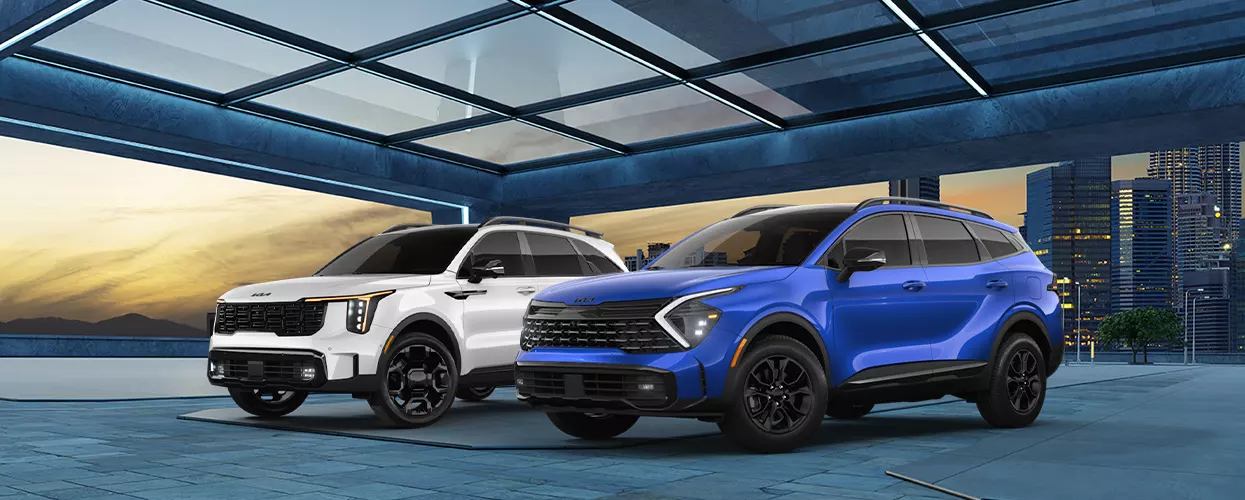
What Is the Difference Between a Kia Hybrid and a Kia Plug-In Hybrid?
A Kia hybrid and a Kia plug-in hybrid both combine a gasoline engine with an electric motor, but they use electricity differently. A traditional hybrid charges its battery automatically while driving, while a plug-in hybrid has a larger battery that can be connected to an external power source. At Kia on Atlantic, we help drivers from Jacksonville, Orange Park, and Neptune Beach compare both options based on commuting distance, charging access, fuel economy, and lifestyle.
What Is the Main Difference Between a Hybrid and a Plug-In Hybrid?
The biggest difference is that a Kia plug-in hybrid can drive a meaningful distance using electricity alone, while a traditional Kia hybrid primarily uses its electric motor to assist the gasoline engine.
A Kia hybrid
- Does not need to be plugged in
- Charges its battery through regenerative braking and the gasoline engine
- Automatically switches between gasoline and electric assistance
- Is driven and refueled much like a conventional gasoline vehicle
- May be ideal for drivers without reliable charging access
- Generally has a smaller battery than a plug-in hybrid
A Kia plug-in hybrid
- Can be charged from an electrical outlet or compatible home charger
- Has a larger high-voltage battery
- Can complete shorter trips using electric power
- Uses gasoline when the battery charge is depleted or more power is needed
- May reduce gasoline use when charged regularly
- Offers more flexibility than a fully electric vehicle for longer trips
Kia currently describes its plug-in hybrids as providing electric power for shorter trips and hybrid flexibility for longer drives. Current Kia options include the Sportage Plug-in Hybrid and Sorento Plug-in Hybrid, while traditional hybrid choices include models such as the Niro Hybrid, Sportage Hybrid, Sorento Hybrid, and Carnival MPV Hybrid.
Why Charging Access Is an Important Consideration
A traditional hybrid does not require home charging, which makes it the more straightforward option for many shoppers. A plug-in hybrid is most useful when the owner has dependable access to an outlet at home, work, or another frequently visited location.
Kia notes that a standard 120-volt household outlet can be suitable for plug-in hybrid drivers, particularly those who can leave the vehicle connected overnight. Charging speed and time depend on the model, remaining battery level, electrical supply, equipment, and other factors.
Before purchasing a plug-in hybrid, consider
- Where the vehicle is parked overnight
- Whether an outlet is close enough to the parking space
- Whether the outlet is properly grounded and appropriate for charging
- How many hours the vehicle remains parked
- Whether workplace charging is available
- Whether a faster home charging setup would be beneficial
At Kia on Atlantic, we can explain the vehicle’s charging requirements, but electrical installation decisions should be handled by an appropriately licensed professional.
Why a Traditional Hybrid May Be the Better Choice
A Kia hybrid may be the better fit when you want improved fuel efficiency with minimal adjustment to your routine.
It can be a strong option if you
- Cannot charge at home
- Frequently park in different locations
- Take long trips regularly
- Prefer a lower starting price than a comparable PHEV
- Want hybrid efficiency without monitoring battery charge
- Drive many highway miles
Traditional hybrids can also be appealing to drivers who are interested in electrification but are not ready to depend on external charging. The vehicle manages the relationship between gasoline and electricity automatically.
For a driver commuting from Orange Park into Jacksonville, a hybrid can reduce fuel use in stop-and-go traffic while remaining easy to refuel for longer trips. A Neptune Beach resident without a private driveway may also find a conventional hybrid more practical than a plug-in model.
Why a Plug-In Hybrid May Be the Better Choice
A Kia plug-in hybrid may provide greater value when most daily trips fit within its electric range and the owner can charge consistently.
It may be right for you if you
- Have a garage, driveway, or workplace charger
- Drive a predictable daily route
- Want to complete local trips with less gasoline
- Need gasoline flexibility for vacations or road trips
- Are not ready to switch to a fully electric vehicle
- Want stronger electric-motor participation
- Can recharge the vehicle most nights
Consider a driver with a 20-mile round-trip commute who can charge at home. A plug-in hybrid may allow much of that weekly driving to be completed using electricity. The gasoline engine remains available for longer weekend travel.
How Fuel Economy Is Measured Differently
Traditional hybrids are commonly compared using miles per gallon, or MPG. Plug-in hybrids may display both MPG and MPGe, or miles per gallon equivalent.
MPGe is used to compare energy consumption when the vehicle is operating on electricity. It does not mean the vehicle literally travels that many miles on one gallon of gasoline. Instead, it converts electrical energy into a standardized gasoline-equivalent measurement.
Plug-in hybrid efficiency can therefore look different depending on how the vehicle is used. A driver who charges every night and takes mostly short trips may use very little gasoline. Another driver who rarely charges and travels longer distances may experience fuel consumption closer to hybrid operation.
When comparing vehicles, look at
- Electric driving range
- MPG after the electric charge is depleted
- Combined MPGe
- Your electricity rate
- Local gasoline prices
- Daily driving distance
- Frequency of charging
No single efficiency figure tells the entire story. Your personal routine determines which powertrain has the stronger real-world advantage.
How Kia Hybrid and Plug-In Hybrid Models Compare
The Kia Sportage is available in both hybrid and plug-in hybrid forms, making it one of the clearest side-by-side comparisons.
The Sportage Hybrid may suit customers who want compact SUV practicality and improved fuel efficiency without charging. The Sportage Plug-in Hybrid adds the ability to complete shorter drives on electric power when charged.
The Kia Sorento also offers hybrid and plug-in hybrid options. Both provide three-row flexibility, but the plug-in version is designed for customers who want an electric commuting option alongside gasoline-powered long-distance capability.
Expert Tips for Choosing Between HEV and PHEV
Track your driving for one or two weeks before choosing. Record your average daily mileage, longest routine trip, highway use, and where the vehicle is parked overnight.
Choose a plug-in hybrid based on your normal day, not an occasional road trip. The gasoline engine already provides flexibility for longer travel, so the electric range should primarily match regular commuting and errands.
Calculate the full ownership picture. A plug-in hybrid may have a higher purchase price than a comparable traditional hybrid, but consistent electric driving may reduce gasoline consumption. The actual financial benefit depends on vehicle price, incentives, electricity costs, fuel prices, insurance, and driving habits.
Finally, test-drive both versions when possible. Pay attention to acceleration, braking feel, seating position, visibility, cargo access, ride quality, and how the vehicle transitions between power sources. The best choice should feel right even before efficiency is considered.
Frequently Asked Questions About Kia Hybrids
What happens when a Kia plug-in hybrid runs out of electric range?
The vehicle continues driving by using its gasoline engine and hybrid system. It does not need to be immediately connected to a charger.
Is a plug-in hybrid the same as an electric vehicle?
No. A plug-in hybrid has both a gasoline engine and an electric powertrain. A fully electric vehicle does not use gasoline.
Which Kia option is better for Jacksonville drivers?
A traditional hybrid may be better without charging access, while a plug-in hybrid can benefit drivers who charge regularly and take shorter daily trips. Visit Kia on Atlantic to compare options for driving in Jacksonville, Orange Park, and Neptune Beach, FL.


0 comment(s) so far on Kia Hybrid vs Plug-in Hybrid Jacksonville FL Blog